Who Am I?
Life stories and family roots · Westmeath and Offaly

Every resident has a story that began long before they arrived.

Each week one resident tells their story to the group. I record it, search the Irish records for their family line, and come back the next week to show what I found.

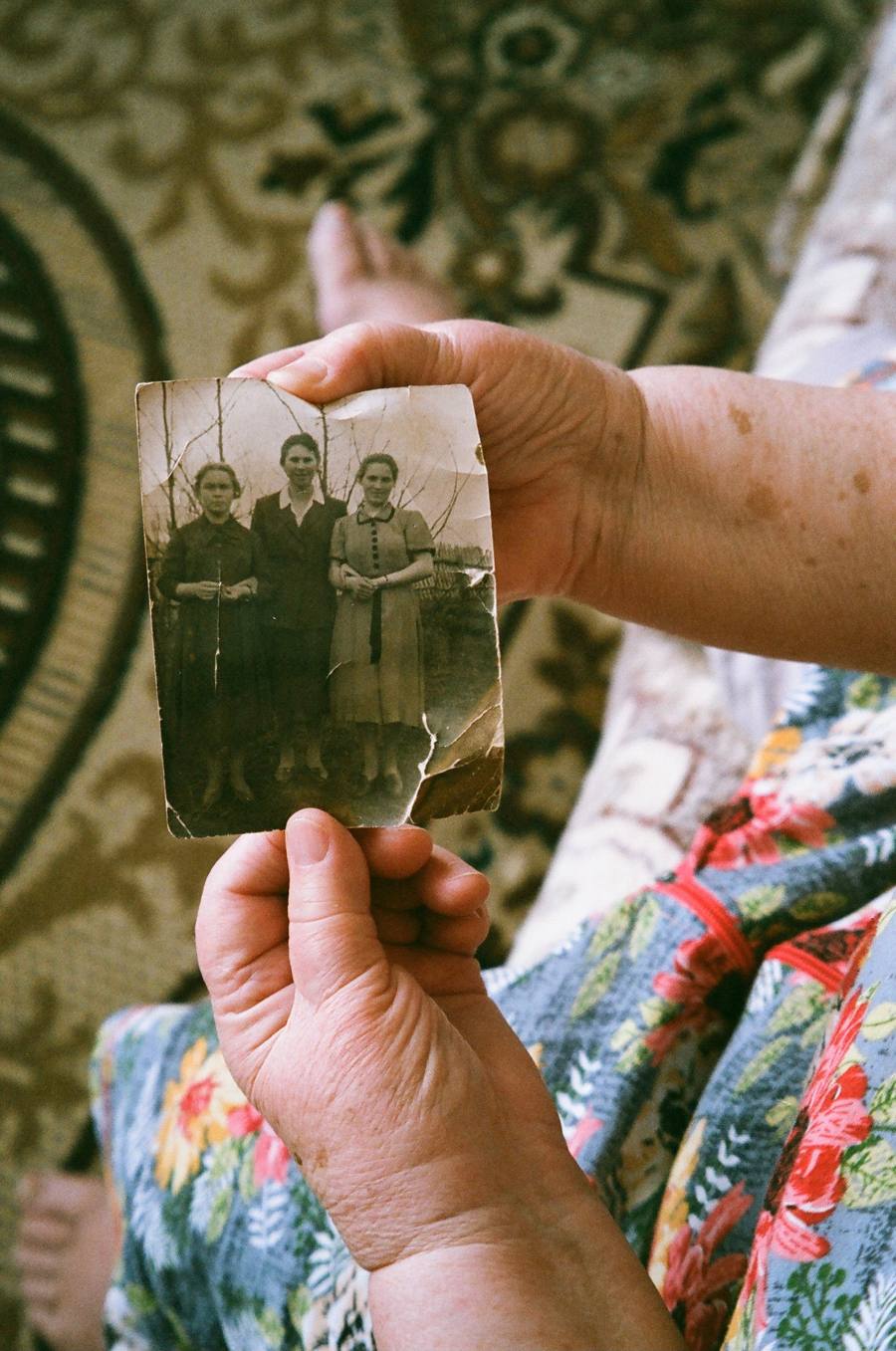
Elderly hands holding a worn black and white family photograph
Family photographs start the story.

How it works

  1. MeetOne resident each week tells their story to the group, in their own words. I record it with their agreement.
  2. ResearchFirst I search the census and online civil records. If they want to go further, a second round goes into the Latin parish registers on microfilm.
  3. ShareThe following week I recap their story and show the group what the records found.
  4. KeepFamilies can choose a keepsake family-line brochure.

Every resident who wishes to take part gets a turn: one story each week, and a deeper second round for those who want it.

How deep we go is each resident's choice. The point is to get people talking, interested and connected to their ancestors and the memories of the past, and to give them something to show their grandchildren when they visit.

For care homes

A ready-made weekly activity that your residents lead and your coordinator can watch grow.

What the session involves

About an hour a week with a group, with a different resident in focus each week, plus research time outside the home. The group listens, joins in and shares memories, and the following week I recap and show what the records found. Where the talk turns to names and place names, I touch on where they come from, since a surname or a townland often tells its own story.

What I need from you

  • A quiet room at a regular time
  • Help from your activities coordinator choosing residents
  • Your consent process for residents and families

Price

€79
per weekly session after that: 1 hour with the residents plus 2 hours of genealogy research afterwards
Free
your first session, the same group session as every week, so you can see how it goes
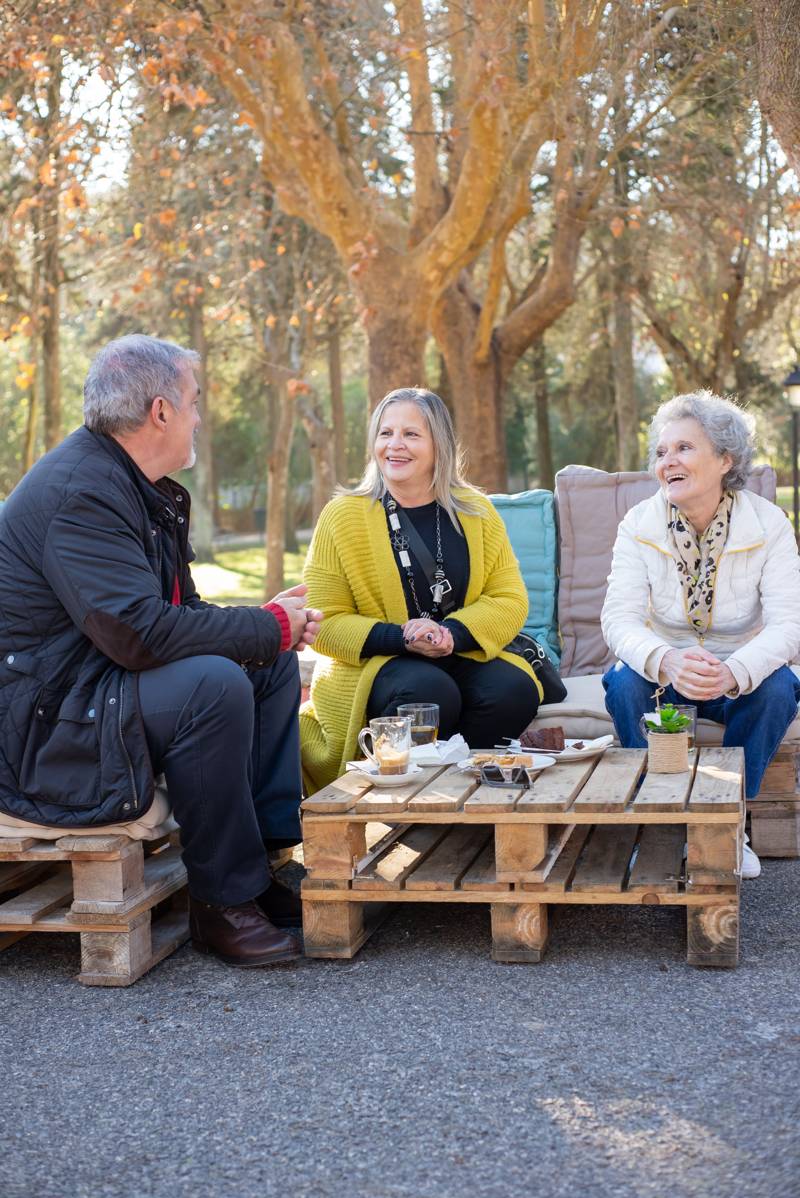
Three older people chatting and laughing together around a table
The group listens and joins in.

For families

Your relative decides first. You are kept informed and invited to join in.

What happens

Your relative may be the resident in focus at one weekly group session in their home. They tell their story to the group and I record it, with their agreement. I then look into the family line in Irish records and share what I found at the next session. You'll receive an information sheet and consent form from the home, and you choose whether to take part.

Your say

  • Your relative is asked first, and we only go ahead if they agree
  • You decide whether to share your contact details with me
  • Names of living relatives stay out of the brochure unless you agree

The family-line brochure

An optional keepsake of what we found, with the source named for every fact.

€150
standard, as far back as the records go
from €250
extended: family tree chart, map and printed copy
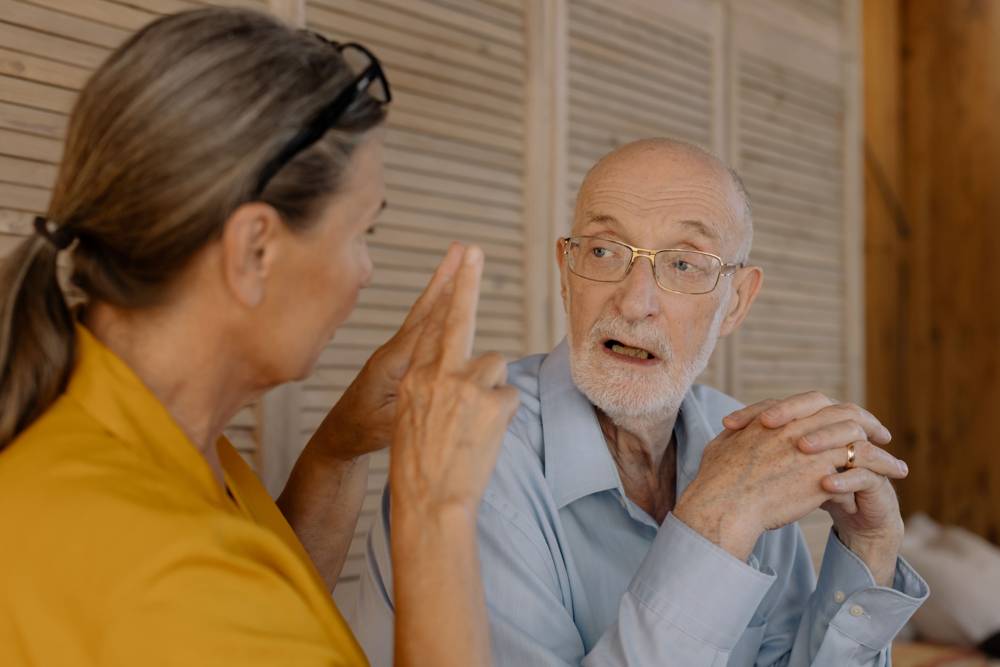
Two older people deep in conversation
Their story, in their own words.

What the records can show

Irish civil records begin in 1864, and the 1901 and 1911 censuses can be searched free online. For the generations before that, I go into the church registers: baptisms and marriages that survive on microfilm and in digitised parish registers, many going back well into the 1800s and earlier.

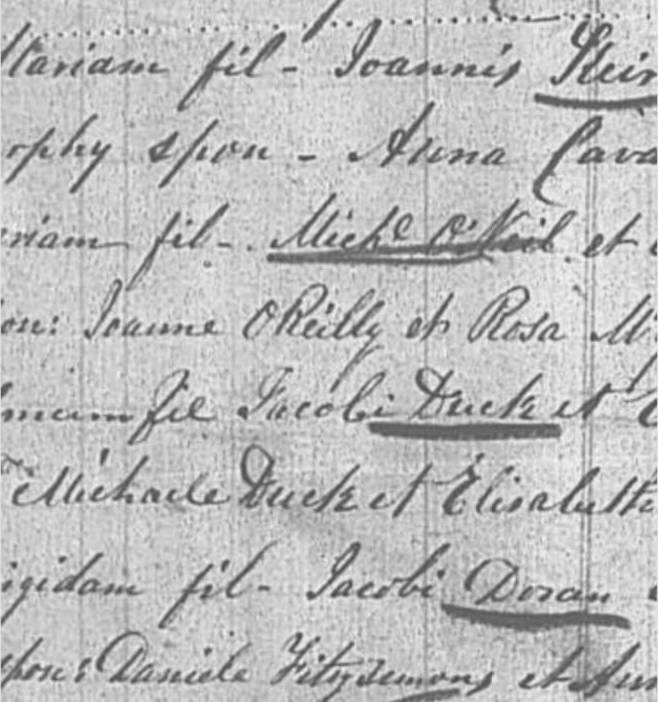
Most of the older entries are handwritten in Latin, in names and abbreviations that are hard to read. I find the right register, read the original page and translate it, so your family gets the entry in plain English alongside the source.

Earlier censuses were mostly lost, and some parish registers are damaged or missing, so many lines end around 1800 or sooner. I will tell you plainly where a trail runs out.

Where I look, in order

  1. The census (1901, 1911, 1926). Free at the National Archives. It shows who lived together, their ages and where.
  2. Civil records from 1864. Births, marriages and deaths on irishgenealogy.ie. Certificates name parents, witnesses and occupations.
  3. Parish registers on microfilm. Images from the National Library of Ireland. There is no name search, so I page through them by hand, and the entries are often in Latin. This is where a line can go back another generation or two.
  4. Land and other records. Griffith's Valuation, army pension papers and local sources, when the trail needs them.

What a resident remembers is written down as remembered. A fact goes in the brochure as fact only when I have seen the record.

A page from a Latin parish baptism register, 1854 to 1855, in faded handwriting
A parish register page, 1854 to 1855. Written in Latin. Image: National Library of Ireland registers
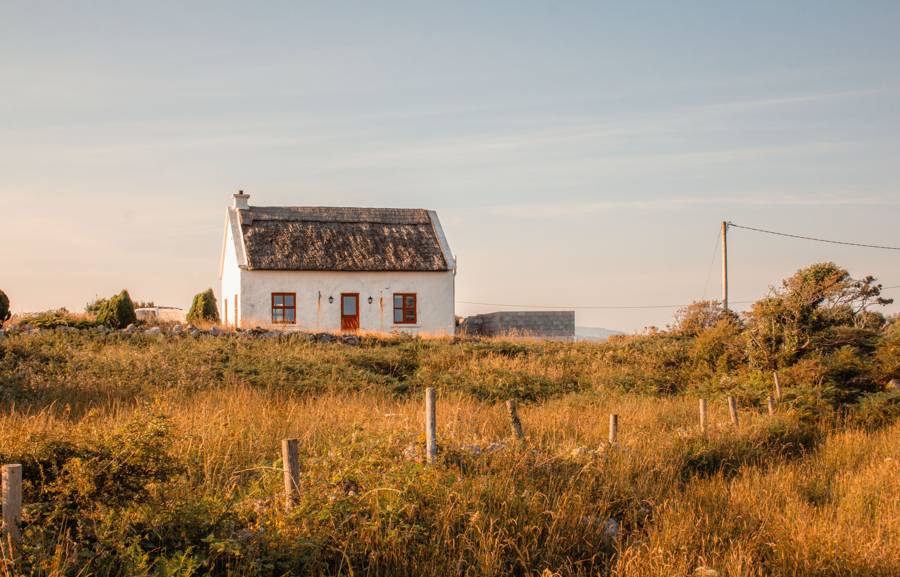
A whitewashed thatched cottage in golden evening light
Where families lived.
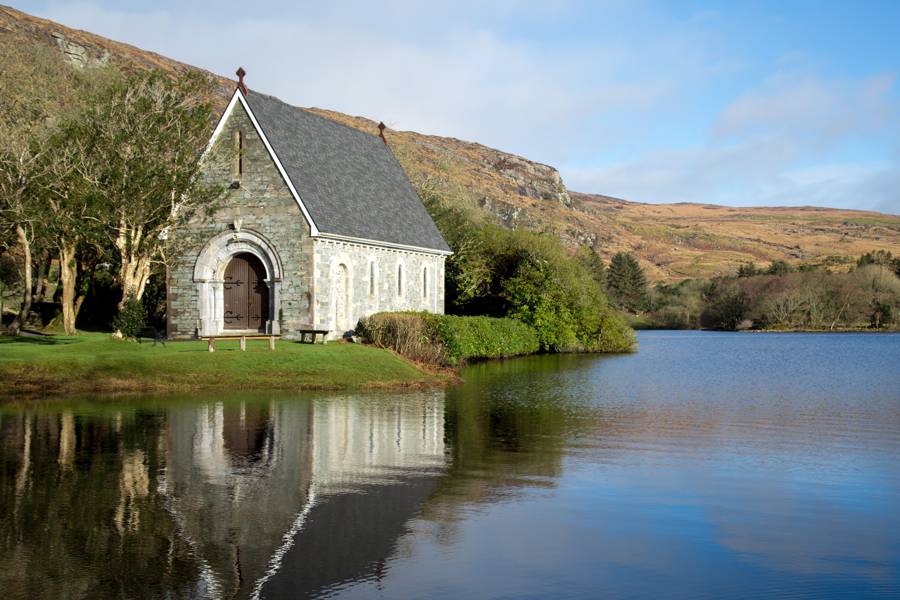
A small stone chapel beside a still lake
Where they were baptised and married.
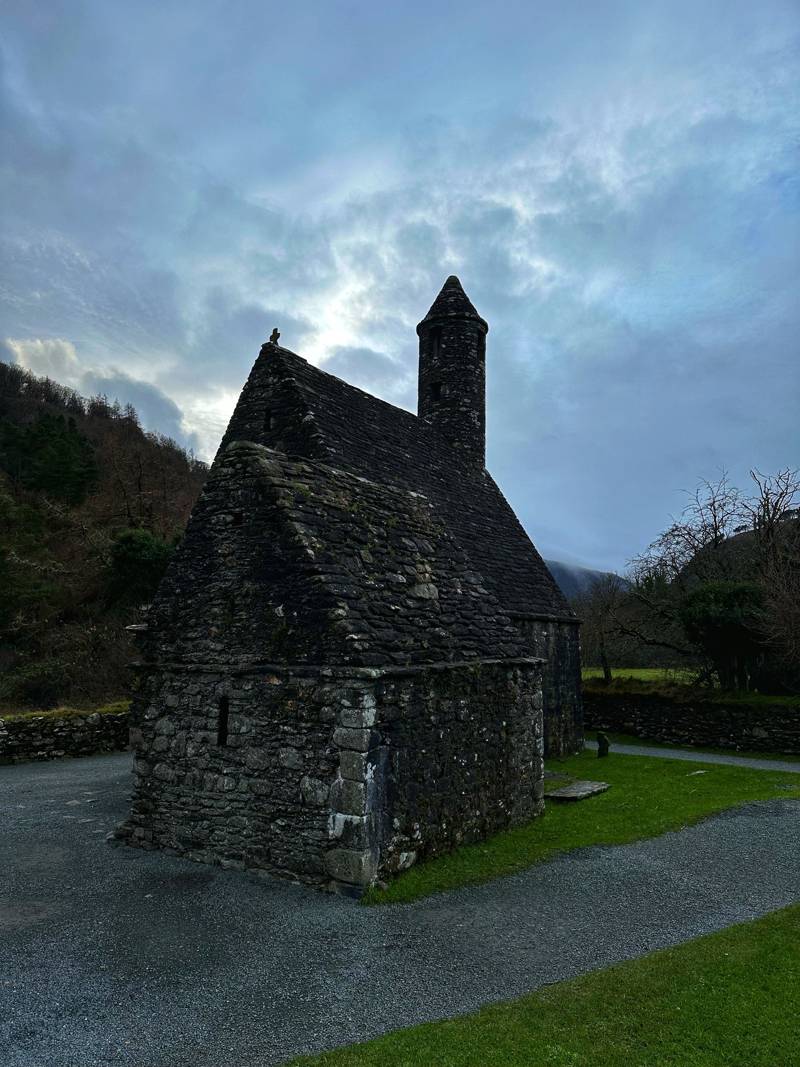
An old stone church with a round tower under a cloudy sky
Parishes with long memories.

About

I'm Colm Ó Leochain, based in Kilbeggan, Co. Westmeath. Irish was my first language. I spent seven years as an OPW heritage guide: five at Ionad Dhún Aonghasa on Inis Mór, one at Corlea Trackway, and one as head guide at Teach an Phiarsaigh. I also spent about seven years as a support worker and live-in carer. I know how to listen, and how to go at a person's pace.

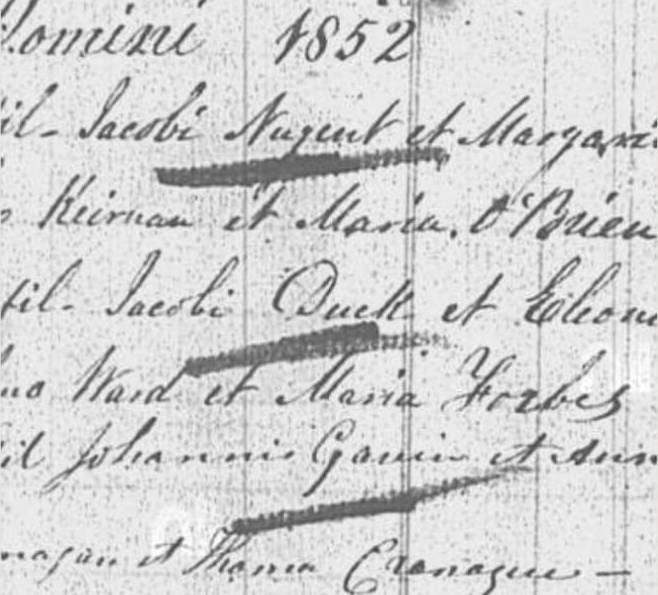
A page from a Latin parish baptism register, 1851 to 1852, with the year 1852 written at the top
Original pages, read and translated. Parish register, 1851 to 1852.

A taste of my own family story

The census gave me one generation at a time. The parish registers on microfilm took my grandfather's family, the Ducks of Windtown near Streete in Co. Westmeath, back well before anything I could have found online. The name goes back in the Streete registers as far as we can read them. Duck is a local anglicisation of Ó Leochain, and the Annals of Loch Cé say so: in William Hennessy's 1871 edition, a note on the family of Ua Leochain, chiefs of Gailenga Móra in Co. Meath in the eleventh century, says the name was "incorrectly translated 'Duck'". It is sometimes confused with the Norman name d'Uc, Duke. The same annals record the death in 1024 of Cúan Ua Lochain, chief poet of Ireland.

Speaking of family lines was once the work of bards, filí and seanchaithe, an art long lost. A group chat about our people helps to bring that tradition back. Here is the route, newest first.

  1. 1941
    Civil record

    My grandparents, Patrick Ducke and Annie Troy, marry in Athlone. Patrick's father is named as John Duck, soldier.

  2. 1926
    Census

    John Ducke, 75 and a widower, is still on the farm at Windtown.

  3. 1901 and 1911
    Census

    The household shows John and Bridget with eight children, among them Patrick, my grandfather, aged 5 in 1901. Bridget is recorded as born in Clare and speaking Irish.

  4. 1896
    Civil record

    Family lore said Patrick was born in Lahore. His birth certificate says Streete. The Lahore story may come from his father's army service in India.

  5. 1886
    Civil record

    John Duck, "pensioner", marries Bridget Marinan in Rathowen chapel. Both sign their names.

  6. 1852
    Parish register, microfilm

    In the Latin baptism register for Streete parish I read "Joannem fil. Jacobi Duck", John, son of James Duck. It takes the line back past the 1850s.

My great-grandfather's working life

John Duck, my grandfather Patrick's father, did not leave a diary. His jobs came out of the records, one at a time, in the order he lived them.

  1. 1886
    Civil record

    His marriage certificate gives his occupation as "pensioner". A pension at about 34 points to army service, though I have not yet proven it.

  2. 1891 and 1896
    Civil record

    The birth certificates of his sons James and Patrick call him a gamekeeper.

  3. 1901
    Census

    Carter to the creamery, with eight children at home.

  4. 1911
    Census

    Farmer, at Windtown.

  5. 1926
    Census

    A widower of 75 on the same farm. His wife Bridget, a shopkeeper according to her death certificate, died in 1919.

  6. 1935
    Civil record

    He dies at Windtown, recorded as a labourer, and his daughter Mary registers the death.

  7. 1941
    Civil record

    Patrick's marriage certificate calls his father a soldier, which fits the pension and the India story.

No single record gives a whole working life. Each job came from a different document: the occupation column of two marriage certificates, two birth certificates, two census returns and a death certificate. I found them by searching the National Archives census and the civil records online, and then reading across them. His father, James Duck, appears on the marriage certificate and the 1852 baptism, but I have not yet found what he worked at. That is the next step.

From a census page to a Latin register: it is the same path I follow for each resident, one step at a time, with the source named.

Get in touch

Tell me a little about your home or your relative and I'll reply with next steps. Email whoami@meithealgrants.ie · Phone 057 859 8060

I use what you send only to reply to you. Privacy notice.